The Postcode Privilege: Turning Local Addresses Into Weekday Covers Without Giving Away the House
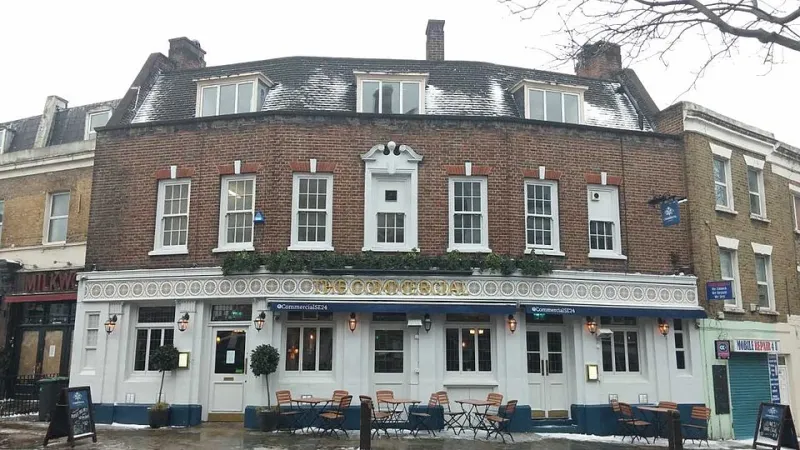
Photo: Cantabrigian7, CC BY-SA 4.0, via Wikimedia Commons
Every operator knows the feeling. You open the doors on a wet Tuesday in November, look down the street and watch a handful of neighbours head towards the bright lights of a chain that can afford to run a two-for-one offer until the end of time. The instinct is to fight back with a discount. The smarter move is to fight back with belonging.
A resident card is not a new idea, but it is often badly executed. Too many schemes become an unconditional percentage off everything, all week, forever. That is not a loyalty tool; it is a margin leak with a laminate finish. The version worth running in 2026 is narrower, clearer and more deliberate: a postcode-based privilege that rewards local people for choosing you on the nights you actually need them.
Start With a Boundary, Not a Blanket
The first decision is eligibility. Keep it simple enough for a bar team to explain in one sentence and tight enough to feel genuine. A common approach is to define the scheme by a short list of postcode districts—usually the ones within a fifteen-minute walk or a short drive—rather than by a vague notion of ‘local’. That gives you a defensible border and a marketing hook: ‘If you live in these postcodes, this is for you.’
Proof of address should be light-touch. A driving licence, a recent utility bill, a council tax letter or a letter from a local employer is enough. Do not ask people to hand over documents behind the bar; a photo on a phone is fine. The aim is to make signing up feel like a welcome, not a security check. One card per household is usually plenty, and a digital card—stored in a phone wallet or sent as a QR code—keeps admin down and gives you a way to track redemptions.
Price the Privilege, Don’t Discount the Menu
The biggest mistake is applying a resident discount to the whole bill. That punishes your best-selling dishes, your wettest-led drinks and your busiest weekends. Instead, decide what the card is for. Is it a midweek food offer? A quiet-hour drink? A hotel stay Sunday to Thursday? A resident card works best when it is tied to specific sessions and specific products.
A workable model is a capped resident menu: two courses for a set price on Tuesday to Thursday, with a modest saving against the normal à la carte total. Alternatively, offer a fixed ‘resident rate’ on selected house drinks between 5pm and 7pm, or a small percentage off bedroom rates on Sunday and Monday nights. The saving should be noticeable but not dramatic—think 10 to 15 per cent, or a set menu that lands a few pounds below the usual spend. Crucially, it should not stack with other offers, and it should not apply on Friday, Saturday or peak festive dates.
Margin protection comes from three places: limiting the eligible items, limiting the days, and limiting the number of redemptions per card. If a table of six all present cards, decide in advance whether the offer applies once per table or per cardholder. The clearer the rule, the less awkward the conversation at the till.
Make It Visible in the Right Places
A resident scheme fails quietly if nobody knows it exists. The best marketing is hyper-local and slightly old-fashioned. A window vinyl that says ‘Local? Ask about the postcode card’ will do more than a generic social post. Put A5 cards in the library, the leisure centre, the GP surgery noticeboard and the local independent shop. Ask the school newsletter if they will run a line. Put a QR code on the back of the loo door—captive audience, sensible message.
For hotels, the angle is slightly different. The resident card is not just about filling the bar; it is about turning the neighbouring streets into advocates for the restaurant, the private dining room and the off-season bedrooms. A monthly ‘locals’ night’ with a short set menu and a resident rate can build a repeat base that does not disappear when the tourists do.
Keep the language warm and specific. ‘Resident card’ sounds bureaucratic. ‘Postcode privilege’ or ‘neighbour rate’ sounds like an invitation. Whatever you call it, use the same phrase everywhere so staff and guests are not translating between three different names.
The Staff Script That Makes It Work
The scheme lives or dies at the table. A bar team that mumbles ‘we do a locals’ thing’ will create confusion; a team that can explain it in fifteen seconds will create regulars. Here is a script that covers the essentials without sounding like a call centre:
‘If you live in one of the postcodes on this card, you can get the resident rate on Tuesdays to Thursdays—it’s a set menu or a small discount on selected drinks, and it doesn’t apply on Fridays or Saturdays. Do you want me to show you how to sign up? It takes about thirty seconds.’
Pair that with a simple internal rule: never guess, never argue, and never promise an exception. If someone is borderline on the postcode, take the details and let a manager decide later. If someone is already in the scheme, thank them by name if you can. The card is a data point; the welcome is the product.
Watch the Numbers, Not the Noise
Before you launch, decide how you will judge success. A resident scheme is not a vanity project. Track redemptions by day and by item, average spend per cardholder, and the number of new sign-ups that convert into repeat visits. If the Tuesday resident menu is cannibalising full-price covers without bringing in new faces, tighten it. If the card is filling a dead Wednesday and creating Friday bookings, loosen the marketing, not the discount.
Run it for a quarter, then review. The goal is not to be the cheapest option on the street. It is to be the place where local people feel recognised—and where the arithmetic still works when the lights go down. A well-built resident card can do both, provided you treat it as a controlled privilege rather than a permanent sale.