The Midweek Clubhouse: A One-Page Charter for Letting Local Groups Own Your Quietest Night
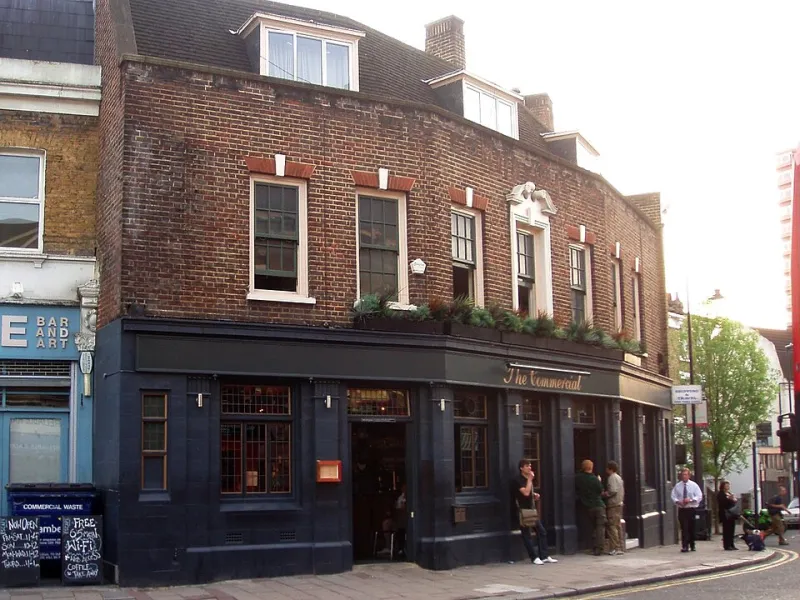
Photo: Ewan Munro from London, UK, CC BY-SA 2.0, via Wikimedia Commons
Every pub has one. The night where the lights seem a little too bright, the till is quiet, and the rota feels heavier than the trade justifies. For plenty of UK operators, that night is Tuesday. Not dead exactly — just underused. And in most towns there is a club, circle or league that would happily fill it, if only someone made the first move.
The temptation is to treat these groups like private hires: a room, a minimum spend, a clipboard. That can work, but it often creates a stiff, hired-hall atmosphere that neither the club nor the pub really wants. The better approach is a short, plain-English charter — one page, agreed upfront — that lets a local group effectively adopt the quiet night while everyone remembers it is still a pub.
Why clubs fit the midweek gap
Running clubs, craft circles, board-game leagues, book groups and language meet-ups are not looking for a nightclub. They want a warm room, a table they can rely on, and a landlord who is pleased to see them. They tend to arrive early, leave at a sensible hour, and bring a predictable number of people who buy drinks and perhaps something to eat. For a pub with a flat Tuesday, that is not a gimmick. It is repeat trade.
The key word is repeat. A one-off quiz night is fine, but it does not give your team a rhythm. A club that meets on the second Tuesday of every month does. Staff learn the shape of the evening: what to have ready, when the rush comes, when the room starts to empty. That predictability is worth more than a noisy one-night spike.
What goes on the one-pager
The charter should be short enough to read in two minutes and specific enough to prevent awkward conversations later. It is not a legal contract. It is a shared understanding, signed by the pub and the club host, with a review date built in.
Space
Name the area. Be precise: the snug, the back bar, the far end of the dining room, the upstairs room if you have one. Say what furniture the pub will provide and what the club should leave alone. If the group needs power sockets, a projector or a long table, sort it now. Also state the fallback: if a big match or a booked party takes the main room, where does the club go? A club that gets moved without warning will not come back.
Minimum spend
This is where pubs often overcomplicate things. A blanket bar minimum can feel punitive for a small craft circle. A better model is a modest per-head expectation, reviewed after three months, or a simple agreement that the club orders from the bar rather than bringing its own refreshments. If the group meets in a separate room, agree whether the pub will staff it and how. Keep the numbers realistic. The point is reliable custom, not squeezing a hobby group.
Noise and timing
Clubs are usually quieter than a Friday night crowd, but they still need boundaries. Agree a start and finish time. Agree whether amplified sound is allowed — usually no — and whether the group can rearrange furniture. If the pub has neighbours, mention closing windows and using the designated smoking area. A gentle line about keeping voices down after 10pm is not unwelcoming; it is the sort of thing a good host says anyway.
Host duties
Every club night needs one named person on the club side. Their job is not to run the pub. It is to be the point of contact: confirm numbers by Friday, arrive early to set up, keep the group roughly together, and tell the bar in advance if something changes. On the pub side, name a shift lead. That person makes sure the area is ready, the staff know what is happening, and the club has someone to ask for. Two names, two phone numbers, no confusion.
The staff rhythm
A charter is only useful if it changes what your team does. For a Tuesday club night, that might mean setting up the agreed area by 5.30pm, checking the group’s usual drinks are in stock, and knowing that the first half-hour is the busiest. It might mean a shorter food menu or a simple sharing board that the kitchen can put out without derailing prep. None of this needs to be elaborate. It needs to be repeatable.
It also helps to build a small feedback loop. At the end of the night, the shift lead notes one thing that worked and one thing to adjust. After three sessions, the pub and the host review the charter together. Maybe the minimum spend was too high for a quiet January. Maybe the group has outgrown the snug. Maybe the start time needs to move by half an hour to catch people coming from work. Small adjustments keep the arrangement alive.
Keeping it a pub, not a function room
The biggest risk is that the club night starts to feel like a private booking that happens to have a bar. That usually comes from over-segregating. If the group is behind a closed door with its own table plan and a sign saying ‘private’, passing trade will read the room as unavailable. Better to keep the club visible and part of the pub. They get a reliable base. Everyone else gets a pub that looks alive on a Tuesday.
That balance is also why the charter matters. It gives the club security without giving them the keys. It gives the pub a framework without turning every Tuesday into a negotiation. And it gives your staff something they rarely get on quiet nights: a predictable, friendly rhythm that makes the shift feel worth working.
Start with one group. Pick the night that needs it most, write the one-pager, and give it a three-month trial. If it works, you have not just filled a Tuesday. You have built a midweek habit that other local groups will ask about.