The Welcome Ledger: Recognising Regulars Without Crossing the Line
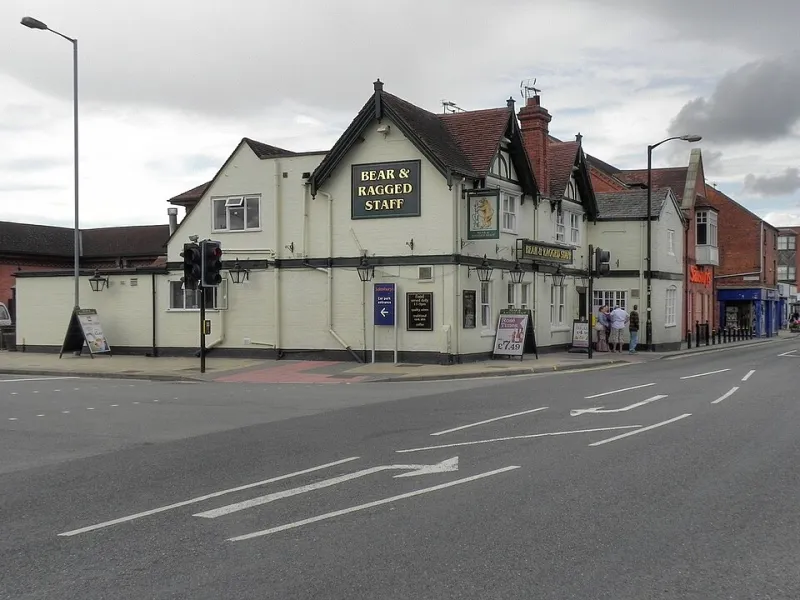
Photo: David Dixon , CC BY-SA 2.0, via Wikimedia Commons
There is a sweet spot in hospitality between being warmly recognised and being watched. Regulars want the first, not the second. They want the barista who remembers they take oat milk, the barman who knows they prefer a corner table, the server who says ‘the usual?’ without making a performance of it. They do not want to feel like their every move is being logged for a quarterly review.
That is the challenge with any regulars’ board. Done well, it is a memory aid. Done badly, it is a dossier with a smiley face drawn on it. The answer is not to abandon the idea. It is to build a small, human, privacy-conscious system that staff actually use and guests never dread.
Why a regulars’ board is worth the bother
Recognition is one of the cheapest retention tools in the business. A guest who is greeted by name is more likely to come back, more likely to forgive a small delay, and more likely to tell a friend. In pubs especially, the difference between a decent local and a beloved one is often just whether someone remembers your pint, your dog’s name or the fact you always ask for the quiz sheet.
But memory is uneven. Staff change, shifts split, teams grow. A new starter cannot inherit three years of bar-side context by osmosis. A simple shared note — kept small and kept kind — bridges that gap without relying on one long-serving member of staff to be the human CRM.
The trick is to treat it as a welcome ledger, not a customer file. It should hold just enough to prompt recognition, and nothing that would make a guest uncomfortable if they saw it.
Start with consent, not a clipboard
Do not secretly start noting names. That is how you end up on the wrong side of the line. Instead, make the system part of normal service. A manager or senior team member can explain it in one line: ‘We’re trying to get better with names and usual orders. If you’re happy for us to note your first name and favourite drink, we will. If not, no problem at all.’
That is not a legal ceremony. It is a human courtesy. For most regulars, it will land as a nice bit of attention. For some, it will be a relief that they can opt out. Either response is useful. A guest who says no has told you something important: they want to be anonymous. Respect that, and do not quietly add them later because someone thinks they are ‘basically a regular’.
If you already use a booking system, do not assume the notes field is a free-for-all. It is still personal data. Keep it factual, relevant and short. ‘Prefers window table’ is useful. ‘Difficult if not seated by 7’ is a judgement, not a note.
What goes on the card — and what stays off
A good entry is small enough to fit on an index card or a line in a shared notebook. Think first name, usual drink or dish, one or two harmless preferences, and maybe the day they tend to come in. That is plenty.
What not to write down? Anything sensitive, anything speculative, anything that would feel odd if read aloud. Do not record health conditions, disabilities, dietary requirements beyond what is needed for safe service, financial details, political views, relationship status, appearance-based descriptions, or gossip. Avoid phrases like ‘the loud one’ or ‘always complains’. They are not memory aids. They are mood poisoning.
Also avoid building a shadow contact database. If you need contact details for bookings, use the proper booking system with proper access controls. The regulars’ board is for names and warm cues, not marketing lists.
A simple rule helps: if you would not be comfortable showing the note to the guest while saying ‘this is what we keep about you’, it does not belong there.
The five-minute pre-shift name check
This is where the system earns its keep. Before service, gather the front-of-house team for five minutes — no more. Pick three names from the board. For each one, someone shares one useful detail and one suggested welcome line. Not a script to recite robotically, just a prompt.
For example: ‘Margaret, usually in on Thursdays, likes a small dry sherry and the corner banquette. If she comes in, try “Your usual spot is free, Margaret.”’ Then someone else might add: ‘She also asks for the lighter menu now and then.’ That is it. Three names, five minutes, done.
Rotate who leads the ritual. Ask the newest team member to pick one name they do not know yet. After service, update the board if something changed — a new favourite, a name spelled differently, a preference that has clearly shifted. Cross out old notes rather than leaving a messy trail. Once a quarter, do a quick cull: remove anyone who has not been in for months, and shred the old cards.
Keeping it human, and keeping it legal
Under UK GDPR, you need a lawful basis for holding personal data, and you should keep it accurate, secure and no longer than necessary. For a small regulars’ board, legitimate interests is the usual starting point, but that does not mean anything goes. Keep the data minimal, restrict access to staff who need it, store it somewhere sensible and delete what you no longer need. If in doubt, take advice.
The bigger point is cultural. A regulars’ board should make service warmer, not more clinical. It should help a shy new server feel confident saying hello. It should stop a loyal guest having to explain their order for the tenth time. It should never become a tool for favouritism, gossip or making anyone feel watched.
A small system, not a secret file
Call it a welcome ledger. Keep it short. Ask first. Write little. Review often. Use it in a five-minute huddle, then put it away. The goal is not to remember everything about everyone. It is to remember just enough to make someone’s day a little easier when they walk through the door.
That is the difference between a landlord who knows your name and a landlord who knows too much. One builds a local. The other empties it.