Weather-Led Trading: A Ten-Day Plan for Wet Snaps, Quiet Patios and Stubborn Sunshine
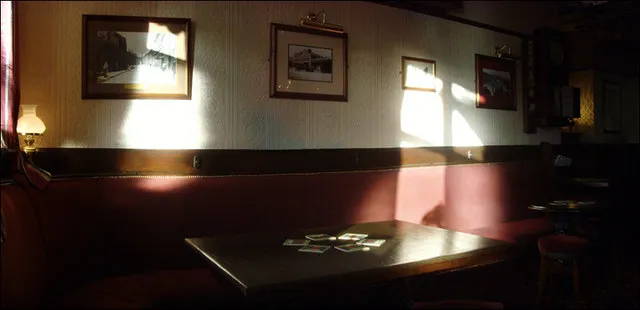
Photo: Howard Selina, CC BY-SA 2.0, via Wikimedia Commons
Most hospitality operators check the weather the way they check a football score: with interest, but not much influence over the result. The forecast gets discussed at the pass, blamed for a quiet Tuesday and forgotten by Friday. That is a waste. A ten-day outlook is not a crystal ball, but it is a useful commercial document. It can tell you when to hold back on prep, when to bank a list of quiet-hour jobs and when to push comfort covers rather than cut the price of everything on the menu.
The trick is to use it lightly. Weather-led trading should not mean rewriting the rota every time the icon changes from cloud to drizzle. It means building a simple weekly rhythm where the forecast informs decisions you were going to make anyway — and where your team knows the plan before the rain arrives.
Start with a forecast, not a feeling
Pick a fixed moment in the week to look at the next ten days. Thursday works for many sites because it sits before the weekend and before the following week’s rota is locked. Open the Met Office forecast, check the local warnings and look at the days that matter most to your trade: Friday, Saturday, Sunday and whatever quiet day you are trying to rescue.
Do not try to predict exact covers. Instead, sort the next fortnight into rough weather bands: wet and cold, dry and cold, mild and unsettled, or genuinely decent. Then ask three questions for each band. What does this do to our usual trade? Which staff tasks become easier or harder? Which menu items will sell — and which will sit in the fridge looking expensive?
A small decision log helps. One line per day is enough: “Wet Friday. Kept two extra covers on the book, prepped less salad, moved cellar clean to 3pm.” After a month you will have a local pattern that no generic forecast can give you. You will also have evidence for the next debate about whether it was the weather or the offer that made Saturday quiet.
The wet-day playbook
A wet day is not a write-off. It is a different trading day with different costs. The first job is to stop preparing for the day you wanted and start preparing for the day you have.
Prep less of the fragile stuff. Salads, delicate garnishes, fresh herbs, uncovered desserts and anything that loses its look after a few hours should be trimmed back. Do not strip the menu of joy — just reduce the volume of items that will be thrown away if the rain keeps people at home. Keep the comfort dishes strong: soups, pies, stews, baked potatoes, toasties, braises and puddings. These are the things people order when they want to be indoors.
Bank tasks for quiet hours. Keep a living “rain list” on a clipboard or in the team chat: deep-clean the glasswasher, rotate the cellar, check allergen sheets, refresh the specials board, photograph three dishes for social media, run a five-minute menu tasting, sort the store cupboard, polish the cutlery. Give each task an owner and a time box. A quiet hour with a clear job feels very different from a quiet hour spent watching the door.
Promote comfort, not a blanket discount. The instinct when trade softens is to cut prices. Resist the whole-menu discount. It trains guests to wait for bad weather and it makes a normal Tuesday feel expensive. Instead, build a short comfort offer: a slow-cooked dish with a drink, a soup-and-sandwich lunch, a pudding pairing, a warm alcohol-free serve, or a “fireside” set for two. Push it through local social media, neighbourhood WhatsApp groups and nearby offices. Make the message about warmth and convenience, not desperation.
Make the room feel right. A wet day amplifies every draught, every dark corner and every cold welcome. Check the entrance, the coat hooks, the lighting and the temperature before service. A hot drink offered quickly, a dry place to put a wet coat and a table that does not sit under a drip can do more for spend than a ten per cent discount.
Rota: protect the base, flex the edges
The rota is where weather planning gets emotional. Over-roster a sunny Saturday that never arrives and you have paid for hope. Under-roster a bright one and you have a queue at the door and a team under pressure.
The safest approach is to protect your core team and flex at the edges. Lock in the staff you need for a normal trading day. Then keep a small standby list of people who have agreed to be available, with a clear cut-off time for confirmation. Use cross-trained staff where you can — a kitchen porter who can help on the floor, a supervisor who can cover a section — so a change in the forecast does not require a change in the whole plan.
Be honest about the morale cost. Staff build their week around shifts. If you add a Saturday shift because the forecast looks bright, then stand someone down when the sun fails to appear, they have lost a lie-in, a family plan or a chance to earn elsewhere. Do it often and the best people stop trusting your rota. If you do over-roster, use the extra hours for training, deep cleaning or menu development rather than pretending to be busy. And say thank you properly.
The sunny Saturday that never came
Every operator has a story about the forecast that promised a heatwave and delivered a damp afternoon. The mistake is not getting it wrong. The mistake is pretending the decision was obvious in hindsight, or taking it out on the team.
Review the call, not the person. Did we act on a ten-day forecast too early? Did we ignore a local warning? Did we over-order because the sun icon made us optimistic? Keep the learning short and specific. Then move on. A team that sees you adjust calmly is more likely to flag a problem early next time.
Weather-led trading is not about being clever. It is about being prepared without being rigid. Check the forecast, make a few sensible moves, keep the comfort offer ready and let the team know what is happening. The British weather will still surprise you. At least the prep list will not.