Desk by Day, Lounge by Night: A Day-Rate Workroom Plan for Independent Hotels
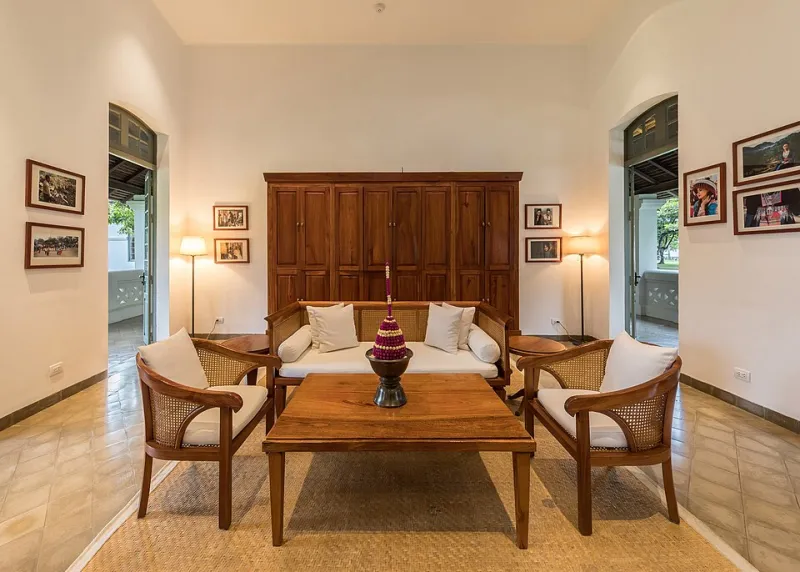
Photo: Basile Morin, CC BY-SA 4.0, via Wikimedia Commons
Most independent hotels have a room that sleeps through the afternoon. Breakfast is cleared, lunch is a maybe, and dinner prep hasn't started. The lounge looks lovely. It also looks unused. Meanwhile, a few hundred yards away, someone is paying for a mediocre coffee and fighting for a plug socket in a chain café.
There's a practical middle ground here: a daytime workroom offer that uses the space you already have, brings in a bit of daytime trade, and then gets out of the way before the evening guests arrive. The trick isn't turning your lounge into a co-working brand. It's giving the room a second job with a clear finishing time.
Start with the room's second job
The first question is whether your lounge can actually take it. A quiet corner with natural light, a handful of tables that aren't booked for afternoon tea, and a wifi signal that reaches the far wall. If the room is already busy with residents until midday, don't force it. If it's genuinely dead from 10am to 4pm, you've got a candidate.
The second question is what you're selling. Not a hot desk. Not a membership. A bookable table in a hotel lounge, with good coffee and a bit of calm. That's it. The appeal for a local freelancer or a visiting sales rep is obvious: nicer surroundings than a café, less pressure to keep ordering, and a loo that isn't a code-locked nightmare.
The offer, priced simply
Keep the pricing legible enough to explain in one sentence. A day pass at £15, including filter coffee, tea and still water, works in most market towns. A half-day pass at £9 covers the 10am-to-1pm or 1pm-to-4pm slot. Residents use the lounge as normal, but keep a resident-only zone so overnight guests aren't squeezed out by laptops.
The day pass should include:
- A bookable table for the day, not a specific seat
- Unlimited filter coffee, tea and water
- Wifi and easy access to plug sockets
- A quiet-table rule for calls
- Use of the hotel loos and a place to leave a coat
Don't overcomplicate it with printing credits or meeting-room add-ons at the start. You can add a sandwich-and-soup lunch for £9 later if the demand is there. For now, the goal is to make the room feel used without making it feel like an office.
The 3pm handover is the whole trick
This is where most daytime offers fall apart. The workroom runs late, the laptops stay out, and suddenly the lounge feels like a library when residents come down for a pre-dinner drink. The answer is a firm, visible reset at 3pm. Not 3.15. Not when the last person finishes their email.
At 2:45pm, staff stop selling day passes and give the room a gentle warning: last coffee for workroom guests in fifteen minutes. At 3pm, the workroom signage flips to lounge mode. Tables get wiped, laptops are packed away, the music comes up half a notch, and the menus go out. If you use candles or lamps, this is when they go on.
Make the reset a short checklist rather than a vague intention. One person owns it. It takes ten minutes. The message to guests is clear: the room has changed shifts, and they're welcome to stay for a drink, but the workday is over.
Noise, calls and the guest who just wants a pot of tea
A hotel lounge isn't a library, and it isn't a call centre either. The quiet-table rule should be printed on the day-pass card and mentioned at booking: calls in the lobby or the designated phone corner, headphones for anything with sound, no speaker calls at the table. A small sign on each workroom table does more than a paragraph in the terms.
Keep one section of the lounge entirely free of laptops. That's where residents can have a pot of tea and a quiet read without feeling like they've wandered into a workspace. If the room is small, use a screen or a plant to mark the edge. The visual boundary matters more than the policy wording.
Staff also need permission to intervene early. A quiet word at 11am about a loud call is easier than a tense exchange at 2:30pm. Brief the team on one line: polite, immediate, no negotiation.
Staffing it without adding hours
The good news is that this doesn't need a new rota. The workroom sits inside the breakfast-to-lunch shift you're already covering. One barista or lounge assistant can manage the day-pass board, top up the filter coffee and keep an eye on the quiet zone. The duty manager checks the room at 11am and 2pm, not every twenty minutes.
Housekeeping stays out of it. The reset is a front-of-house job. If you're worried about the 3pm handover clashing with check-ins, move the reset to 2:45pm on Fridays and Saturdays, or run it from the bar side of the room first. The principle is the same: a fixed time, a short checklist, a visible change.
Making the numbers work
A day-rate workroom isn't a licence to print money, but it can cover its costs and then some. If your break-even is six day passes a day, twelve covers the coffee, the wifi and the staff time with a bit left over. The upside is the lunch trade that follows, and the local goodwill that comes from being the hotel that lets people work in comfort without a membership card.
Track two things for the first month: how many day passes you sell, and how many workroom guests buy food or a second coffee. If the second number is low, add a simple lunch deal rather than cutting the day rate. If the room feels too busy, cap the passes at ten or twelve and keep the resident zone sacrosanct.
The small print that protects the room
Check your public liability cover and your booking terms. A day pass is a table reservation with a coffee package, not a tenancy. Make it clear that the room reverts to guest lounge at 3pm, that calls belong in the lobby, and that the hotel can move a booking if a private event takes priority. None of that needs to be heavy-handed. It just needs to be on the booking confirmation.
One more thing: don't run the offer through the Christmas party season if your lounge is needed for festive bookings. Pause it, put a note on the website, and restart in January. The locals will understand. The room will still be there at 3pm.