The Quiet Table: A Ticketed Pub Supper for People Dodging the Office Christmas Do

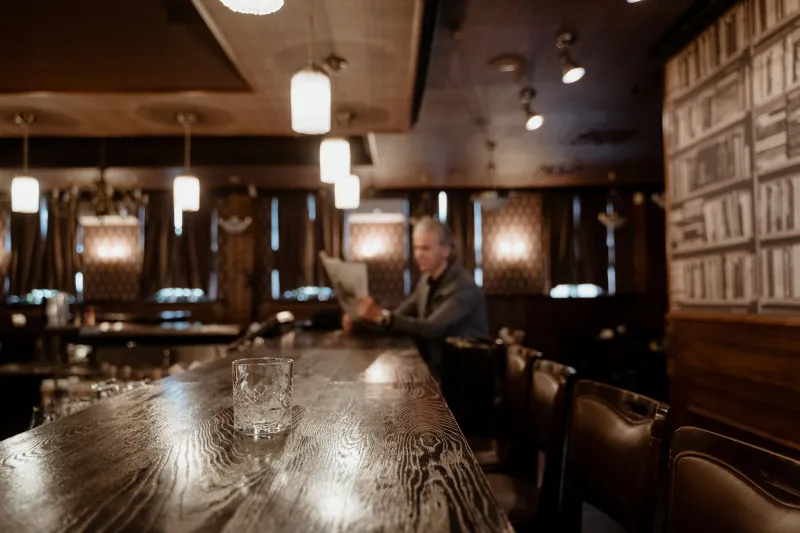
Photo by Photo by Hert Niks on Unsplash on Unsplash
Every December has its strange little gap. The big office parties have mostly happened, the usual midweek trade has thinned out, and plenty of people are back at work but not really in the mood for another mince pie. The 22nd and 23rd are prime examples: close enough to Christmas to feel festive, far enough away that nobody wants a full production. For pubs, that can look like a dead spot. It can also be a useful little earner if you pitch it carefully.
The idea is simple: a ticketed pub supper for regulars, small groups of friends and people who fancy a bit of Christmas warmth without the forced fun of a secret santa. Not an office party. Not a party at all, really. More like a good dinner in a pub that happens to be wearing a paper hat.
Start With a Clear Promise
The worst version of this night is the one that pretends to be something it is not. If you advertise a party, people arrive expecting music, games and a reason to stay late. If you advertise a supper, they arrive expecting dinner. That is a much easier room to manage.
Call it a supper. Say what is included. Say what is not. No quiz, no DJ, no gift exchange, no enforced mingling. A two-course set menu, a table for two to six, a glass of something on arrival if you like, and a sensible finish time. The promise should fit on a poster without needing a paragraph of small print.
The audience is already there. You will have regulars who are not doing an office do this year, small teams who cannot justify a big night out, couples who want a nice meal before the family arrives, and solo guests who would rather sit in a warm pub than eat toast at home. The trick is to make the night feel welcoming without making it feel like a social club induction.
Keep the Menu Short Enough to Cook Calmly
The menu should be short, seasonal and kind to your kitchen. This is not the night for a ten-dish tasting menu or a new technique that nobody has tested on a busy service. It is the night for food that can be prepped in the afternoon, finished quickly and sent out without a queue of tickets backing up.
Think along the lines of a slow-braised beef with mash and greens, a well-made mushroom or squash pie for the vegetarians, and a pudding that can be plated cold or warmed through. If you want a Christmas note, add it without making the whole menu a novelty. A spoon of brandy cream is enough. You do not need to stuff a turkey into every course.
Put the menu on one side of A4 and include allergens clearly. Give people a vegetarian option that feels like a proper dinner rather than an apology. If you can offer a smaller plate for children or lighter appetites, do so, but do not overcomplicate the offer. The point is a calm kitchen, not a second Christmas Day.
Seat People With a Light Touch
Mixed tables can sound terrifying if your pub is used to booking groups who already know each other. In practice, it works best when you do not force it. Offer tables for two to six, then add a communal table or two for smaller bookings and solo guests. Let people choose. If they want to keep themselves to themselves, that is fine. If they want to chat, the room will do the work.
A small card on the table with two or three easy conversation starters is usually enough. Not icebreakers, just prompts: best thing you ate this year, worst Christmas film, something you are looking forward to in January. Keep it optional. Staff should be briefed to read the room rather than march people through a programme.
The atmosphere should feel like a good pub on a cold night: candles, low music, no television shouting from the corner if you can avoid it. If the main bar is still trading, try to give the supper a defined area so it does not feel like a function room has been dropped into the middle of a normal Wednesday.
Price It Honestly and Say What Is Included
A ticketed supper needs a clear price. Pick a number that covers food, staffing and a sensible margin, then say exactly what it buys. Something like £35 a head for two courses is easy to understand. Drinks can be extra, but the ticket price should not come with a surprise service charge on the night.
If you take a deposit, explain the refund policy in plain English. If you need final numbers a few days before, say so at the point of booking. If you are keeping the ticket price low, do not make it back by charging restaurant prices for a glass of house wine. Honesty is the whole point of the night.
There is also a practical benefit to ticketing. It tells you how many staff you need, how much food to prep and whether the night is worth running again. A simple online ticket link and a clipboard behind the bar will do. You do not need a full events operation.
Put the Quiet Shift to Work
The people working this night are part of the idea. If your rota has a quiet pre-Christmas shift with staff who would otherwise be standing around, this gives them something useful to do. One cook, one or two front of house, and a clear briefing can be enough for a room of 30 or 40 covers.
Use the staff who are good at making people feel looked after. Give them a proper briefing on the menu, the timings and the tone. Make sure they get a break and a chance to eat. A calm service is much more likely if the team knows exactly what the night is meant to be.
If you have staff who want extra hours before Christmas, offer them the shift first. If you have staff who are already stretched, do not pretend this is a favour to them. It should be a manageable night, not a scramble.
Sell It to the Right People
Start with your regulars. A poster by the door, a line in your newsletter and a note on social media will do more than a broad campaign. The message should be warm but not cute: a proper pub supper for people who want Christmas without the secret santa. Bring a few friends or come on your own. Tables for two to six.
Local workplaces with small teams are another good fit. Not the big office party crowd, but the four-person studio, the independent shop, the team that cannot justify a full night out. Send them the menu and the price. Make it easy to book.
The night itself should finish at a sensible hour. A 6pm arrival window and a 9.30pm finish is usually enough. It leaves room for people to stay for a drink if they want to, without turning the supper into a late-night session.
A Short Checklist Before You Print Tickets
Before you put the date in the diary, check the basics: can the kitchen prep and serve this menu without stressing the pass? Do you have enough staff for the covers you are selling? Are allergens and vegetarian options clear? Is the seating plan flexible enough for solo guests and small groups? Is the ticket price honest, and does it cover the night?
If the answer to those is yes, you have a useful little event on your hands. It will not replace the office party. It is not meant to. It is a pub supper for people who want the warmth of Christmas without the performance of it. In the strange gap between the 22nd and 23rd, that can be exactly what a room full of regulars is looking for.