Hush Hour: Building a Low-Sensory Service Window That Earns Its Keep
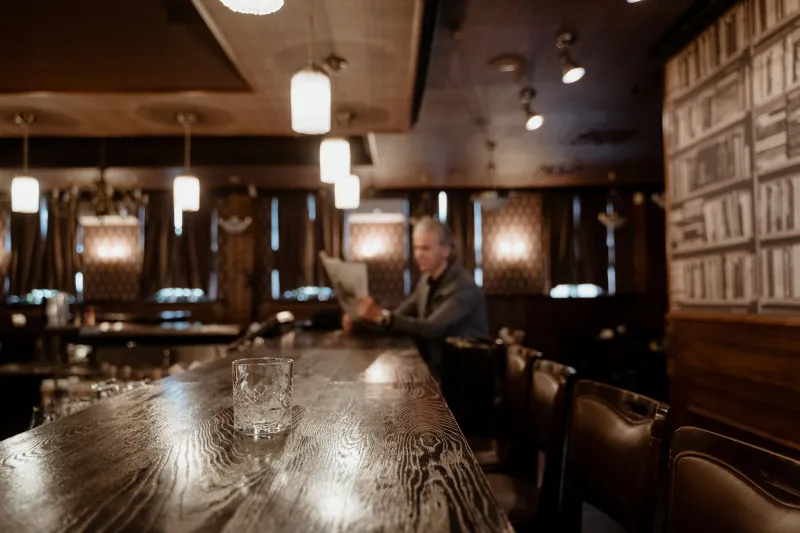
Midweek trade in 2026 is crowded with the same offers: two-for-one mains, quiz nights, laminated set menus and the hope that a local office team will suddenly rediscover the joy of a Tuesday. Most of it competes on price or noise. A low-sensory service window competes on comfort instead. It is a defined slot — one section, one sitting, one clear promise — where the lights come down, the music softens or stops, tables get breathing room and staff are briefed to serve without constant interruptions.
Done well, it is not a charity gesture. It is a different product for a different guest: the parent who cannot face a loud room, the neurodivergent adult who wants a proper meal out, the older regular with hearing aids, the carer who never gets a relaxed lunch. It also gives operators something rarer than another discount: a reason to fill a dead midweek section.
Start with the room, not the poster
Before you write a single social post, walk the space at the time you plan to use it. Listen. Is there a radio speaker above the table you had in mind? Does the kitchen extractor hum through the wall? Do staff shout orders across the pass? Are the hand dryers in the loos loud enough to be heard in the dining room? Low-sensory does not mean silent. It means removing the sharp edges.
Look at light first. Overhead fluorescents and flickering LEDs are the usual culprits. If you cannot dim them, turn them off and use lamps, wall lights or a lower-level circuit. Avoid spotlights aimed at faces. Then sound: reduce music to a low background level, or switch it off in the quiet section entirely. Put felt pads under chair legs, check door closers, and ask staff to keep cutlery drops and glass bins to a minimum during the window. Smell matters too — a strong plug-in near the table can be more distracting than a noisy room.
Table spacing is the cheapest upgrade. Push the quiet tables apart by at least a table's width where you can, and keep the route to the loos clear. Do not seat the quiet section beside the kitchen door, the till or the group booking that has already ordered shots. Pick a slot when the room is naturally calmer: a Wednesday between 5pm and 7pm, a Tuesday lunch, a hotel lounge between afternoon tea and dinner. One section is enough. You are not closing the venue.
The 90-minute blueprint
Treat the window as a small operation with its own rhythm. Brief one server and one manager. Put a quiet-hour note on the till and the booking sheet. Set the room 20 minutes before the first table: lights adjusted, music checked, tables spaced, water stations filled, cutlery rolled quietly rather than dropped into a bin.
Service should be calmer, not slower. Offer table service so guests are not queuing at a loud bar. Keep check-backs short and predictable: one after the food arrives, one near the end. Agree a signal for getting attention — a glance, a raised hand, a card on the table — so staff are not hovering. If the venue has a card machine that beeps, turn the volume down. Small things signal whether you have actually thought about the guest or just put a leaflet on the table.
Scripts that set expectations without making it weird
Staff often worry about saying the wrong thing. Give them plain language. On arrival: 'You are in our quieter section this evening. The music is low, the tables are spaced out, and there is no rush. Just catch my eye when you are ready.' If a guest looks uncertain: 'There is no pressure to order all at once. Would you like a few minutes?' If something changes: 'The kitchen is about to get busy, so I may be away from the floor for five minutes. I will come back when it settles.'
Train staff not to ask 'Are you okay?' every three minutes. For some guests, repeated check-ins are the opposite of calm. Also avoid making the window sound medical. You are offering a calmer table, not a diagnosis. If a guest asks for the music off, turn it off in that section. If they want a table further away, move them. The whole point is to be flexible without making a performance of it.
Promotion that does not other anyone
Market the experience, not the label. A booking widget entry that says 'Quiet window: low music, spaced tables, table service' does more than a poster about accessibility. Social copy can be simple: 'A slower Wednesday. Low music. Spaced tables. Table service. No rush.' Invite local groups — carers, book clubs, hearing-loss groups, neurodivergence networks — but do not use them as a marketing prop. Offer a preview to regulars and ask for feedback.
Price it normally. A quiet window does not have to be a discount bin. A two-course set menu can help the kitchen plan, but the same menu at the same price is often more respectful and more profitable. If you want to fill the slot, add a free hot drink or a quiet corner, not a race to the bottom. Add the window to your booking notes and Google profile so people can find it without emailing to ask.
The commercial case
The spend per head may not match a Friday night. It does not need to. You are filling covers that were not there, using a section that was already staffed and lit. The upside is repeat trade: guests who cannot use your venue at 8pm on a Saturday may become Wednesday regulars. There is a staff benefit too. A calmer service window gives newer team members a chance to learn the room without the volume turned up.
Run it for six weeks and measure something useful: covers in the window, repeat bookings, average spend, staff feedback, and any reviews that mention the experience. If it is not working, change the time or the room before you kill it. If it is working, protect it. The worst outcome is a quiet hour that exists only on paper while the music stays at gig volume and the tables stay crammed together. In 2026, midweek trade needs fewer gimmicks and better rooms. This is one of the better rooms you can build.