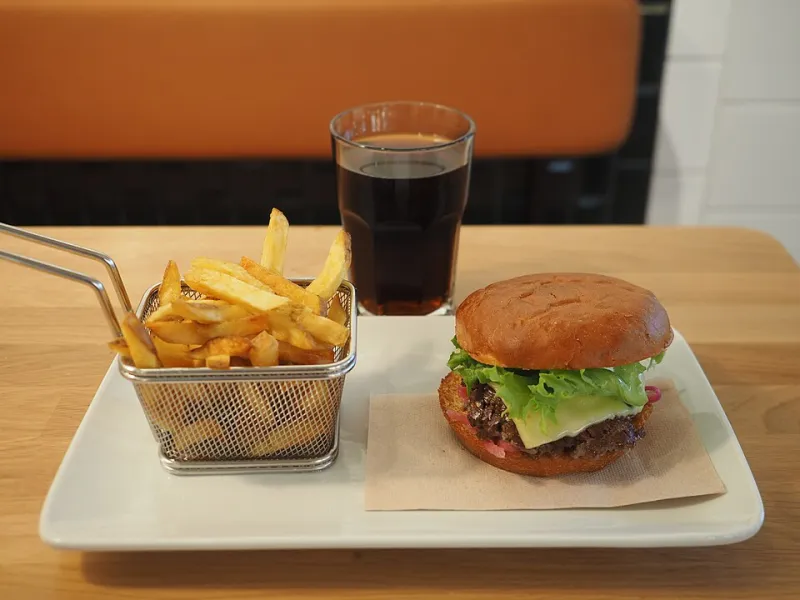
The Brave Little Menu: Cutting Dishes Without Cutting the Soul Out of Your Kitchen
Photo: Tzahy Lerner, CC BY-SA 3.0, via Wikimedia Commons
Menu cuts are often sold as retreat. The kitchen is struggling, food costs are up, the team is tired, so the menu gets trimmed and everyone pretends it is a strategy. That is the wrong story. A shorter menu can be a growth move: faster service, less waste, better consistency, more confident cooking and a clearer identity. But only if you cut with a scalpel rather than a bin bag.
Bloat is usually a storage problem, not a creativity problem
Most bloated menus are not full of bad dishes. They are full of dishes that arrived for good reasons and never left. A special that sold well in a heatwave. A vegetarian option added for one booking. A pudding that kept a supplier happy. A pub classic that nobody orders but everybody insists must stay for the tourists. Over time, the menu becomes a storage unit for old decisions.
The first job is to separate identity from habit. Identity dishes are the ones a guest would mention if they recommended you. In a pub, that might be the pie, the Sunday roast, the fish and chips or the curry. In a restaurant, it might be a signature starter or a pudding people come back for. Habit dishes are the ones that sell in modest numbers, take up line space and make the kitchen slower without adding character.
Read the data like an operator, not an accountant
Sales mix is the starting point, but it is not the whole story. A dish can sell well and still be a problem if it destroys the line at 8pm. Another can sell modestly and be worth keeping because it uses prep that would otherwise be wasted or because it is the reason a regular books. So look at three columns together: popularity, prep time and wastage.
Popularity tells you what guests want. Prep time tells you what the kitchen can actually deliver on a busy Friday. Wastage tells you what the menu is costing you in quiet moments. A dish that sells 40 portions a week but requires three separate components, a dedicated fryer and a 20-minute pickup may be less valuable than a dish that sells 25 and fits the flow of service. A dish that sells 12 and wastes half its ingredients is not a hero. It is a quiet leak.
Do the review with the head chef and one senior front-of-house person. The chef sees the line. The front-of-house person sees the guest response and the questions staff get asked. If a dish is rarely ordered but generates a lot of what is that conversations, it may be a marketing dish rather than a volume dish. Keep it only if it earns its place.
The dishes worth retiring
Retire the dishes that are complicated to explain, slow to plate and unloved by the team. Retire the ones that exist only because a supplier gives you a good price on an ingredient you would not otherwise build a dish around. Retire the ones that create a second version of the same thing: two chicken dishes, three potato sides, four puddings that all need a scoop of ice cream. Retire the ones that force the kitchen to hold too many components for too few orders.
Be careful with the dishes that carry memory. A cult favourite may not be your best seller, but it may be part of why people forgive your slightly tired carpet. If you cut it, do it openly. Give it a send-off. A last orders week for a much-loved dish can turn a cut into a story rather than a secret. Put it on the specials board, tell the regulars, post about it, and let the kitchen cook it properly one last time. That sounds sentimental, but it is also good business: it gives staff a clean ending and gives guests a reason to come in.
Brief the team so it feels like confidence
The worst way to announce a menu cut is to let staff discover it on the new printout. They will read it as bad news, or as a decision made without them, and they will pass that feeling on to guests. Brief the team before the menu changes. Explain the reason in plain language: faster service, less waste, more consistency, a clearer menu. Give them the new dishes and the new language. If a guest asks why something has gone, staff should have an answer that sounds deliberate, not apologetic.
Train the team on the replacements, not just the removals. A shorter menu only feels generous if the remaining dishes are cooked well and described with confidence. That means tasting sessions, a clear description of each dish, and a simple answer to what do you recommend. If the team cannot recommend the new menu, the new menu is not finished.
What a smaller menu can do
A smaller menu can make a kitchen calmer. It can make prep lists shorter, ordering simpler and waste lower. It can make service faster without asking people to move faster. It can make training easier in a sector where good staff are hard to find. And it can make the offer sharper: fewer things, done properly, with a clear reason to come back.
That does not mean every venue should serve eight dishes. A busy pub with a big garden may need breadth. A hotel may need to cover breakfast, lunch, dinner and room service. The point is not smallness for its own sake. The point is intention. Every dish should earn its place on the menu, in the kitchen and in the story you tell guests. If it does not, cut it. Then use the space, the time and the savings to make the dishes that remain better. That is not retreat. That is growth with a sharper knife.