The Closing-Time Think Tank: A 15-Minute Huddle That Turns Pub Shift Gripes Into Quick Wins
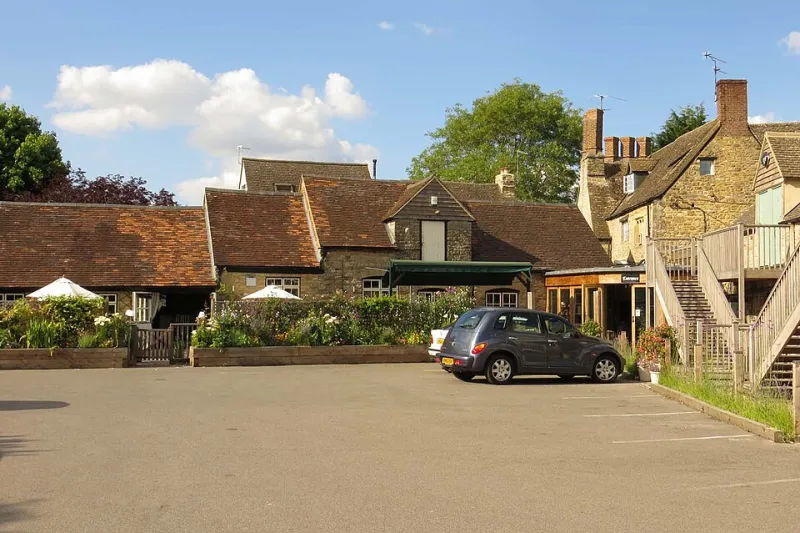
Photo: Steve Daniels , CC BY-SA 2.0, via Wikimedia Commons
At 11:42pm on a Saturday, a barback notices that the last four customers all asked for a dry, low-alcohol serve and were pointed to the same two bottles. By Monday morning, that insight has vanished under rotas, deliveries and a broken glasswasher. The gap between those two moments is where a lot of good pub, hotel and restaurant ideas quietly die.
The closing-time think tank is a 15-minute huddle designed to close that gap. It is not a committee, a suggestion box or another meeting with a flip chart. It is a standing, timed conversation with the people who just served the customers — and it works best when it happens at the end of a shift, not a quarter after the fact.
Why the last ten minutes beat the quarterly meeting
Most operators already ask staff for ideas. The problem is timing. A quarterly strategy meeting catches the polished version of events; the last ten minutes of service catches the truth. That is when a runner knows which dish was sent back twice, a bartender knows which drink ran out before 8pm, and a receptionist knows which guest question nobody could answer.
In 2026, with margins still tight and teams still lean, that kind of live detail is more useful than a broad brainstorm. It is also cheaper. You are not paying for a consultant or a new menu; you are paying attention.
The format: 15 minutes, one question, one test
Keep the shape simple enough that a busy team can repeat it without a manager chasing people.
- Stand up. Chairs make it a meeting. Standing makes it a huddle.
- Set a timer. Fifteen minutes, no overrun. If it needs longer, it is a different conversation.
- Open with two wins. One customer win, one team win. It changes the mood before anyone raises a problem.
- Ask one prompt. Not five. One.
- Everyone speaks once. Pass is allowed, but the quietest person often has the most useful detail.
- Choose one test. Not a plan, not a strategy — one small thing to try this week.
- Name an owner and a date. Without those, it is just a chat.
For pubs, a post-shift huddle on a Saturday or a pre-service huddle on a Tuesday both work. For restaurants, the closing team is usually the right group. For hotels, run a fortnightly version that includes food and beverage plus housekeeping, because half the best ideas sit between departments.
UK prompts that actually get answers
Generic questions get generic answers. These prompts are specific enough to jog a real memory:
- What did a customer ask for that we could not do?
- Which dish got a question or a complaint at the pass?
- What ran out before 8pm, and what did we substitute?
- Where did you apologise most during service?
- What is one thing you would change about the first ten minutes of your shift?
- Which local pub, cafe or hotel is doing something we could learn from?
- What did a guest seem surprised by — in a good way or a bad way?
A Bristol gastropub might hear that guests keep asking for a bitter to go with the Sunday roast. A Lakes hotel restaurant might hear that walkers want a packed lunch option they can collect before breakfast. A Leeds cocktail bar might hear that the low-alcohol list needs a clearer first page. None of those are grand ideas. All of them are testable.
From gripe to test in seven days
Use a three-line log. It can be a shared note on the team phone, a page in the office diary or a whiteboard that nobody wipes clean. The three lines are:
- The idea — one sentence, in the staff member's words.
- The owner — one person, not 'the team'.
- The test date — usually within seven days.
At the next huddle, review the test. Keep it, tweak it or kill it. Killing an idea is not failure; it is the system working. The important thing is that the team sees a suggestion leave the room and come back as an action.
Recognition does not need to be a bonus scheme. A named special, a shout-out at pre-service, or a 'staff pick' badge on the menu can do more than a voucher that arrives three weeks later. People want to see their idea on the floor, not in a folder.
The mistakes that kill the huddle
There are four common ones. First, the manager answers every idea immediately. That turns a huddle into a lecture. Second, the team uses it as a moanfest with no test at the end. Third, someone promises to follow up and does not. Fourth, it gets moved because the rota is tight — and then never comes back.
The fix is to protect the slot. Fifteen minutes once a week is easier to defend than a two-hour meeting once a quarter. Put it in the rota. Give it a name. Let a supervisor run it, not only the general manager.
What good looks like after a month
After four weeks, you should have four small tests, not forty ideas. You should have one or two changes that customers have noticed and one or two that you have quietly dropped. You should also have a team that stops saving its best observations for the exit interview.
The best ideas in hospitality rarely arrive in a boardroom. They arrive at the end of a shift, when someone is tired enough to tell the truth. The 15-minute huddle just gives that truth somewhere to go.